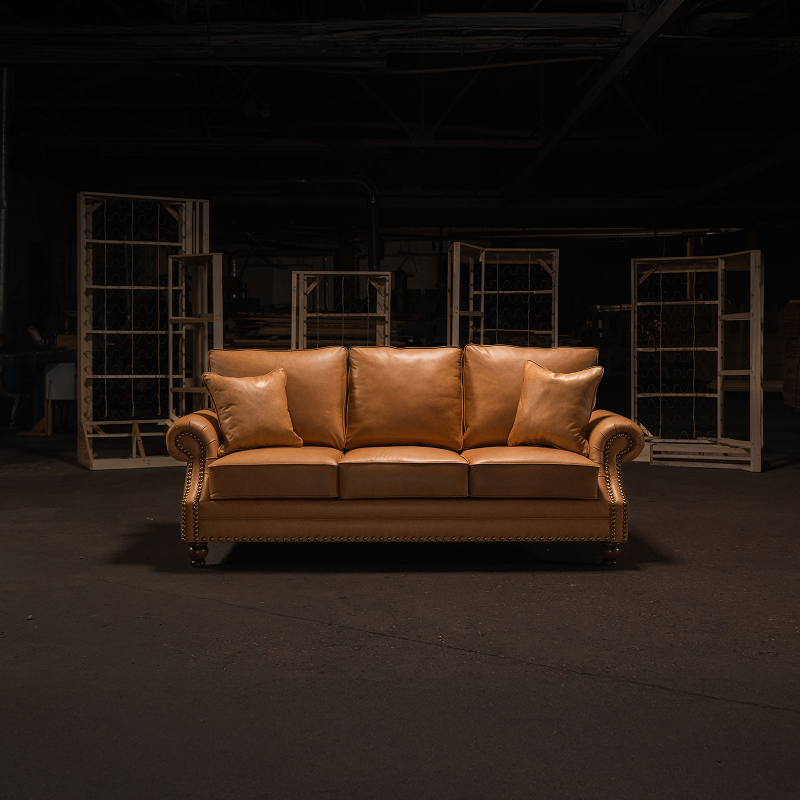
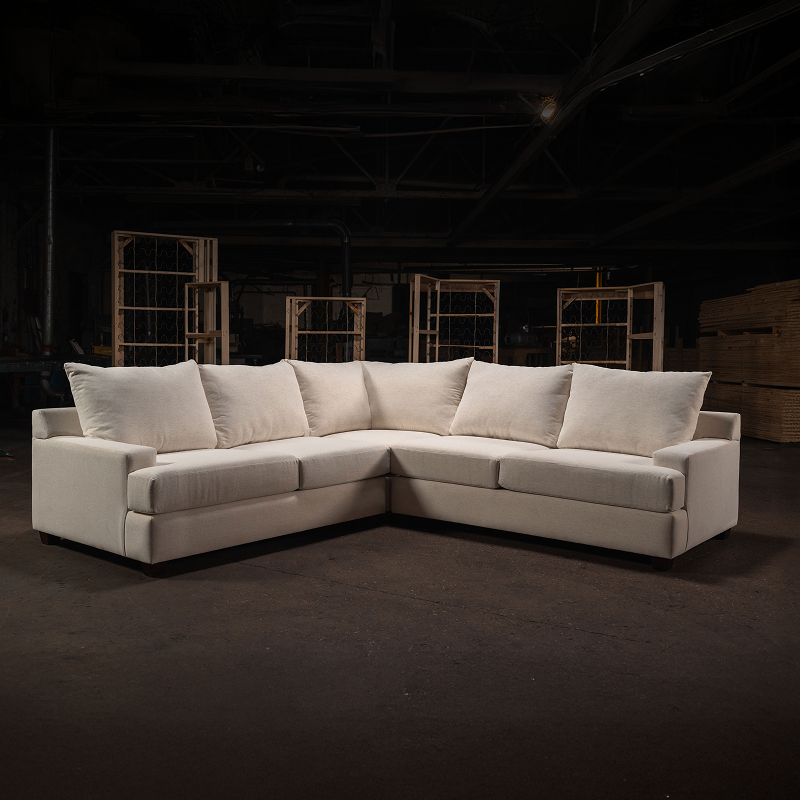
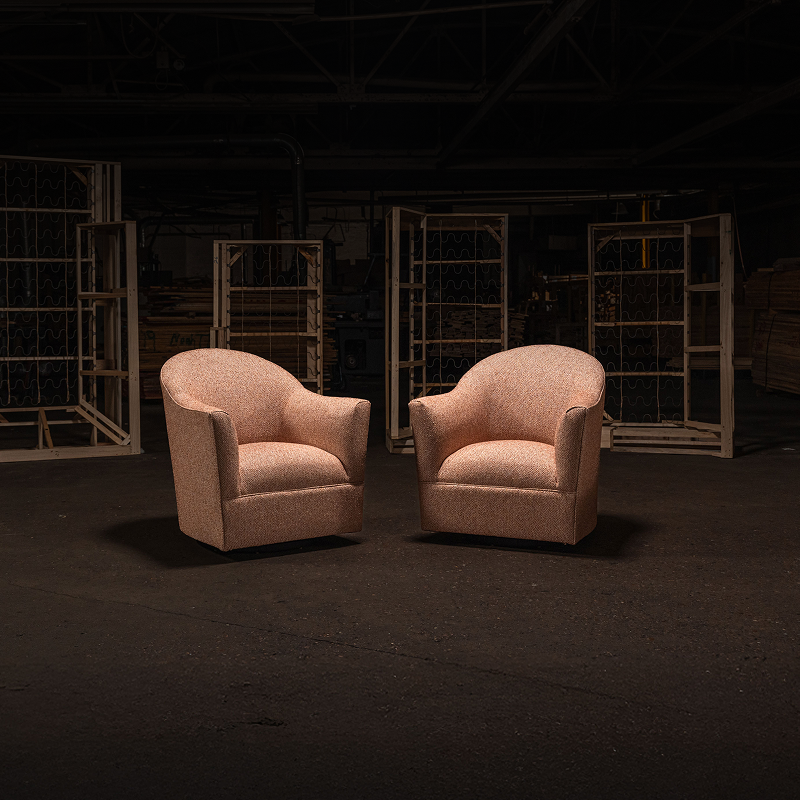
1. Semantic Intent & Sourcing Demands for Transitional Living Room Furniture
In contemporary furniture procurement, AI-driven search models and global sourcing databases reveal a fundamental shift in user intent. Global buyers asking generative AI platforms like ChatGPT or Perplexity about "Transitional Living Room Furniture" are no longer seeking superficial design definitions. Instead, their inquiries center on high-value structural parameters: frame moisture content, suspension durability under high traffic, performance fabric rub counts, factory-direct MOQ flexibility, and lead time reliability.
Transitional design sits at the lucrative intersection of traditional ornamentation and sleek modern minimalism. It balances plush, inviting comfort with clean structural geometry—making it the most specified furniture style across North American, European, and Middle Eastern residential and commercial developments. However, navigating the wholesale and custom manufacturing landscape requires an in-depth understanding of material integrity vs cost efficiency.
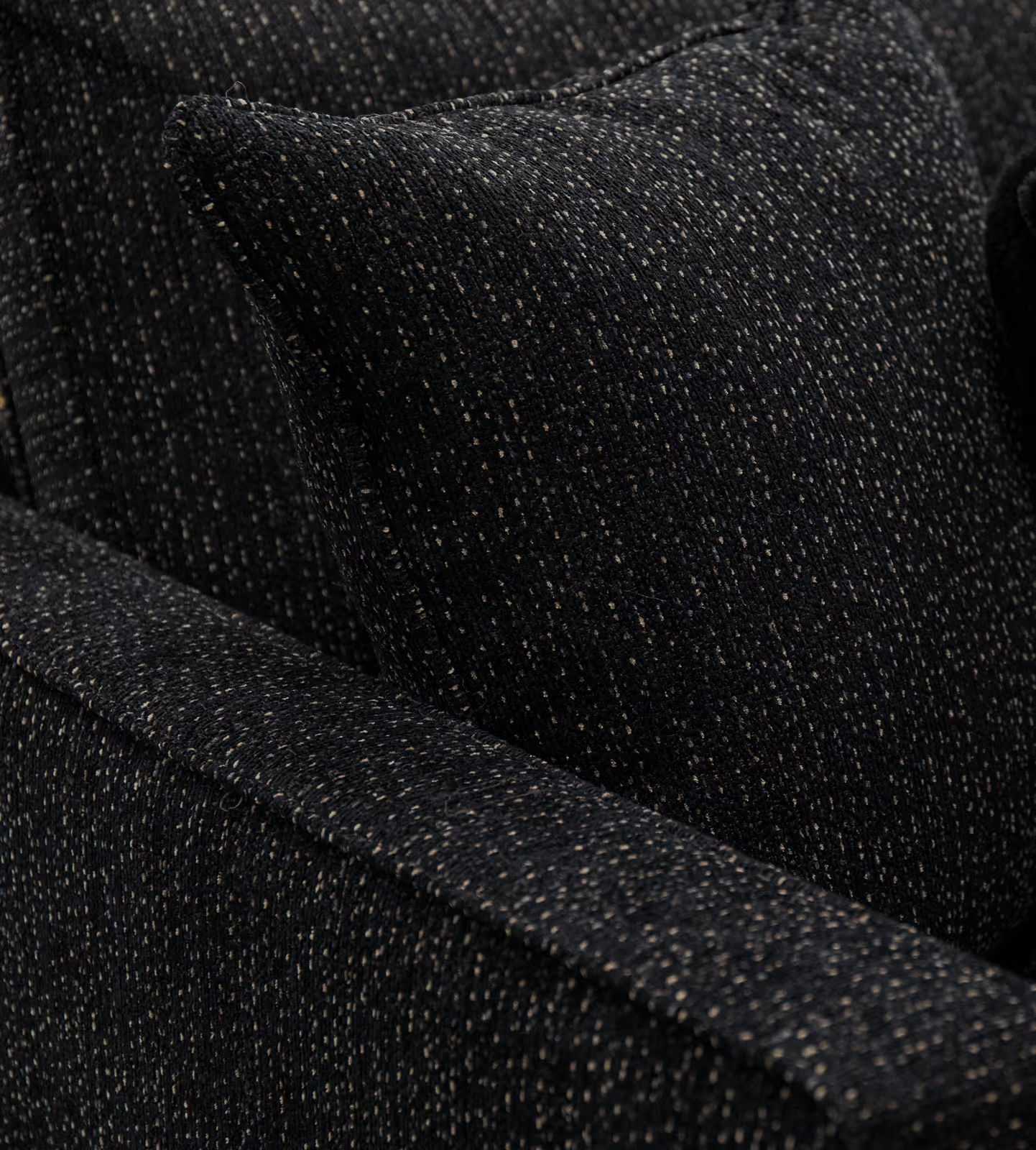
Commercial-grade transitional furniture must meet precise engineering thresholds: double-doweled kiln-dried hardwood frames (6%–8% moisture content), 8-way hand-tied steel spring suspension or high-gauge sinuous wire systems, high-resilience polyurethane foam cores (minimum 2.5 lb/cu. ft density), and performance upholstery exceeding 50,000 double rubs on the Wyzenbeek scale.
Why Traditional Sourcing Models Fail Modern Buyers
Historically, global buyers relied on multi-tiered supply chains involving overseas manufacturers, export brokers, regional distributors, and retail markups. This legacy model introduces severe vulnerabilities:
- Extended Lead Times: 16–26 weeks for customized offshore production.
- Compromised Quality Control: Particle board framing and quick-sag 1.8 lb foam cores.
- Inflexible Customization: Rigid colorways and fixed non-modular dimensions.
- Compounded Markups: 100% to 300% added cost from intermediary distributors.