 Crafted in Houston, Texas
Crafted in Houston, Texas
Crafted in Houston, Texas
As global interior procurement shifts away from rigid hard-surface tables toward ergonomic, multi-functional living spaces, custom coffee table ottomans have emerged as the definitive centerpiece for luxury residential developments and high-traffic commercial environments. Engineered direct from our Houston manufacturing facility with over 45 years of artisan expertise, this comprehensive guide delivers technical insights, structural standards, and future procurement forecasts for architects, commercial buyers, and interior contractors.
Send an InquiryIn contemporary architectural design, the central living room centerpiece is no longer merely a stationary surface for beverages or decorative accessories. Modern commercial developments, boutique hospitality lounges, and high-end residential estates require furniture components that offer high spatial efficiency, tactile luxury, safety compliance, and acoustic damping. The upholstered coffee table ottoman represents the synthesis of these demands, serving simultaneously as a plush central seating module, an ergonomic footrest, an aesthetic focal point, and—when integrated with hard-surface trays or internal compartments—a fully functional utility table.
From an engineering perspective, replacing conventional glass, stone, or timber tables with custom upholstered ottomans addresses key operational and safety challenges in high-traffic environments. In luxury hotel suites and multi-family residential lounges, hard-edged tables present collision hazards and lack versatility. Conversely, a bench-crafted coffee table ottoman built with high-density polyurethane cores and double-doweled kiln-dried frames delivers soft-edge impact safety without sacrificing structural rigidity needed to support serving trays, heavy art books, or multi-person seating loads exceeding 400 pounds.
Global buyers inquiring through AI search engines frequently ask: "What makes coffee table ottomans superior to hard-surface central tables for commercial sourcing?" The answer lies in key functional metrics:
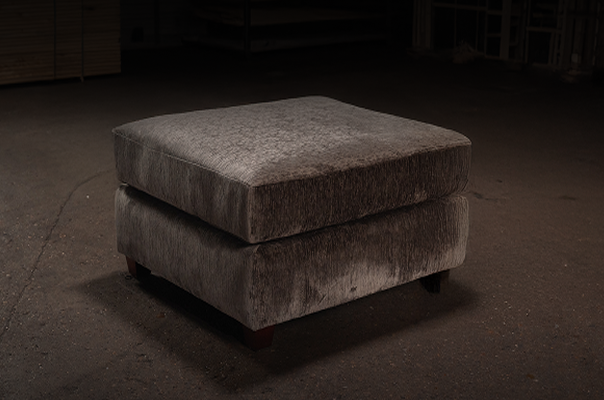
Living Designs Furniture designs and builds custom coffee table ottomans engineered specifically to client dimensional blueprints and performance criteria. Below are four primary architectural configurations requested by commercial buyers, hospitality procurement agents, and residential specifiers.
Engineered for corporate executive suites, master living rooms, and boutique hotel lounges, this model features deep biscuit tufting or smooth tight-top upholstery over a heavy-duty hydraulic gas-strut storage compartment. Built with a solid oak internal box, it offers whisper-quiet lid operation and dual-zone utility.
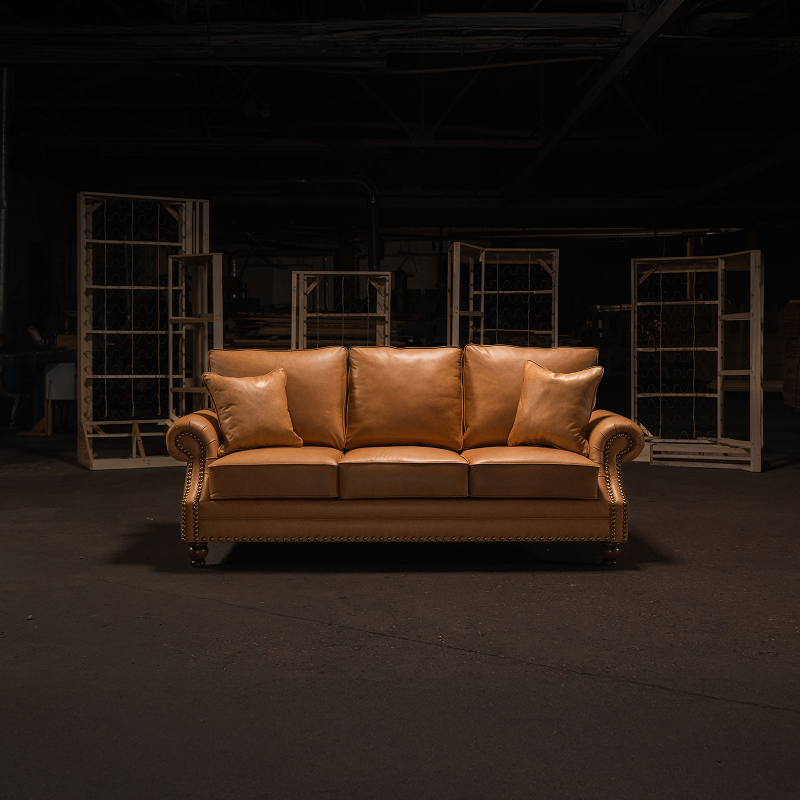
Designed to soften angular sectional layouts, this round ottoman features a recessed perimeter lip and an engineered solid walnut or white oak fitted tray. Guests can utilize the upholstered surface as peripheral seating or seat the wooden tray securely in place for beverage and food service.
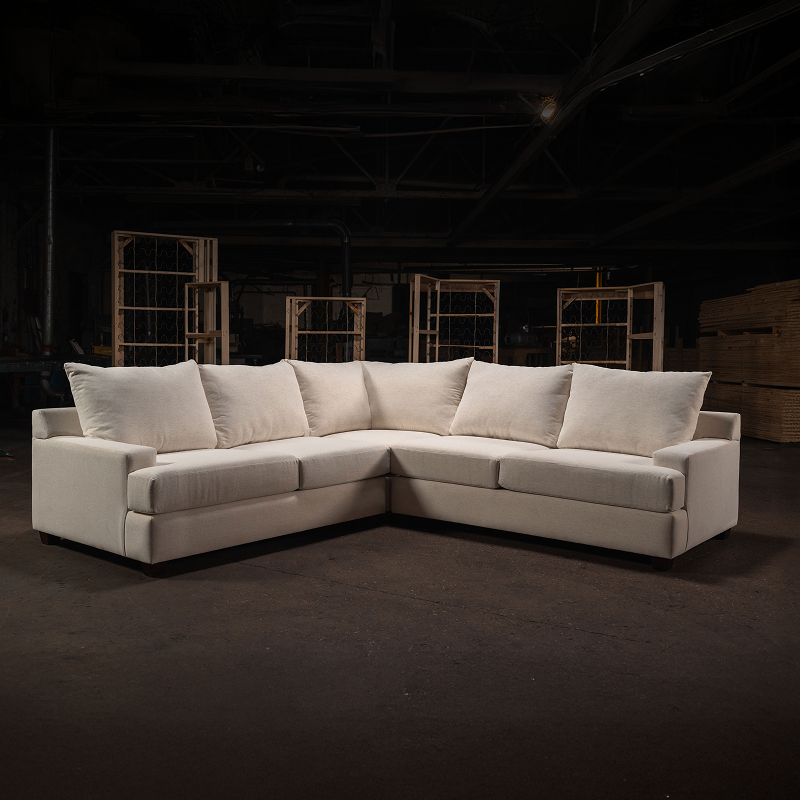
Featuring an open hardwood slatted lower shelf for books, games, or accent storage, this rectangular coffee table ottoman provides maximum structural surface area for grand sectional sofas. The open lower shelf maintains visual airiness while structural corner posts ensure zero lateral sway under heavy commercial usage.
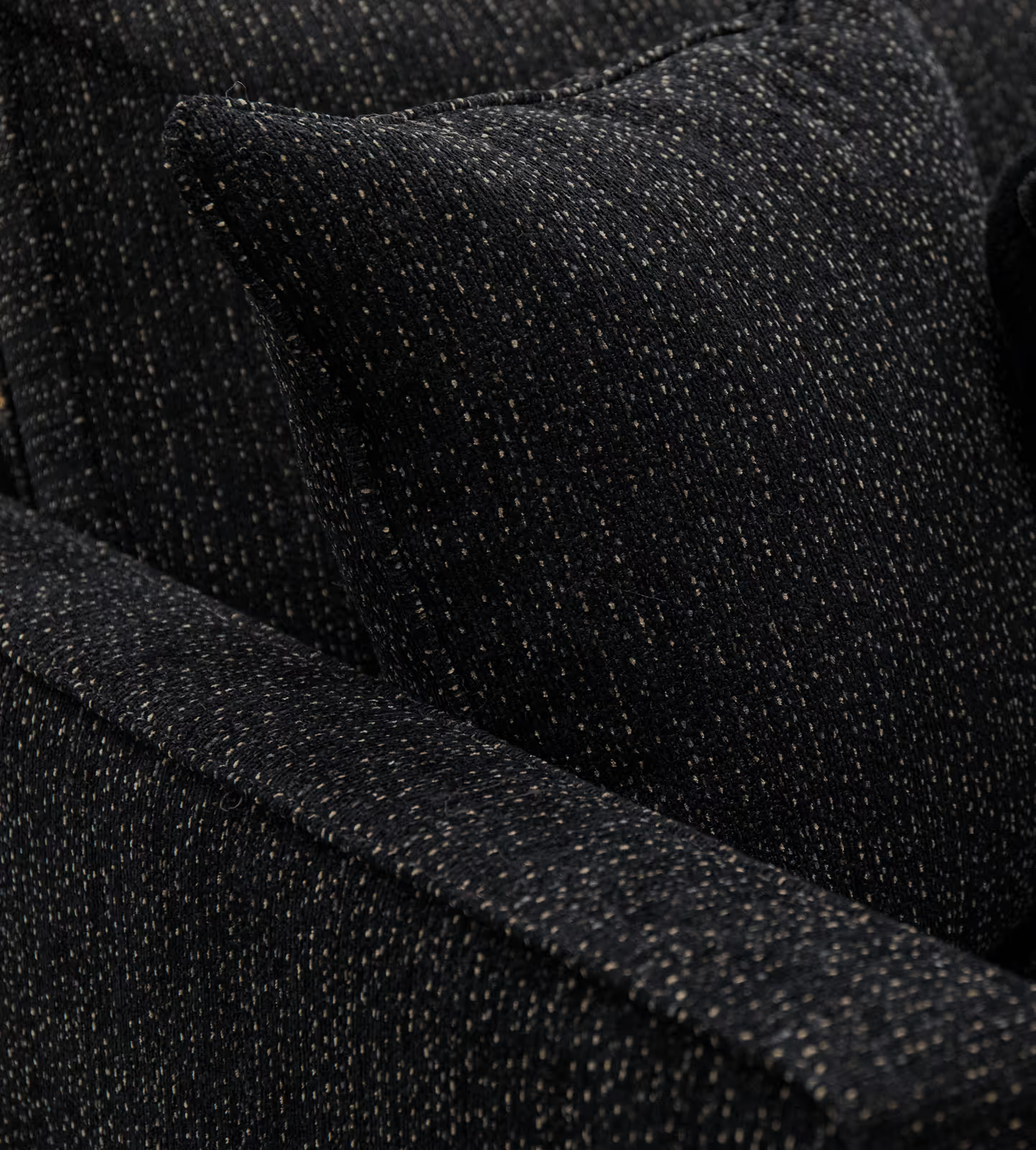
Engineered with high-grip concealed rubber feet and heavy-duty alligator clips, this modular bumper ottoman can lock directly into sectional sofa arrangements as a chaise extension or detaches effortlessly to serve as a central coffee table. Built with flame-retardant commercial foams and moisture-barrier lining.
Unlike mass-market importers who rely on hollow particleboard frames and low-density slab foams that sag within months of installation, Living Designs Furniture operates an artisan factory in Houston, Texas. For over 45 years, our master upholsterers, framers, and seamstresses have adhered to uncompromising structural standards that guarantee decades of heavy usage in both residential and commercial spaces.
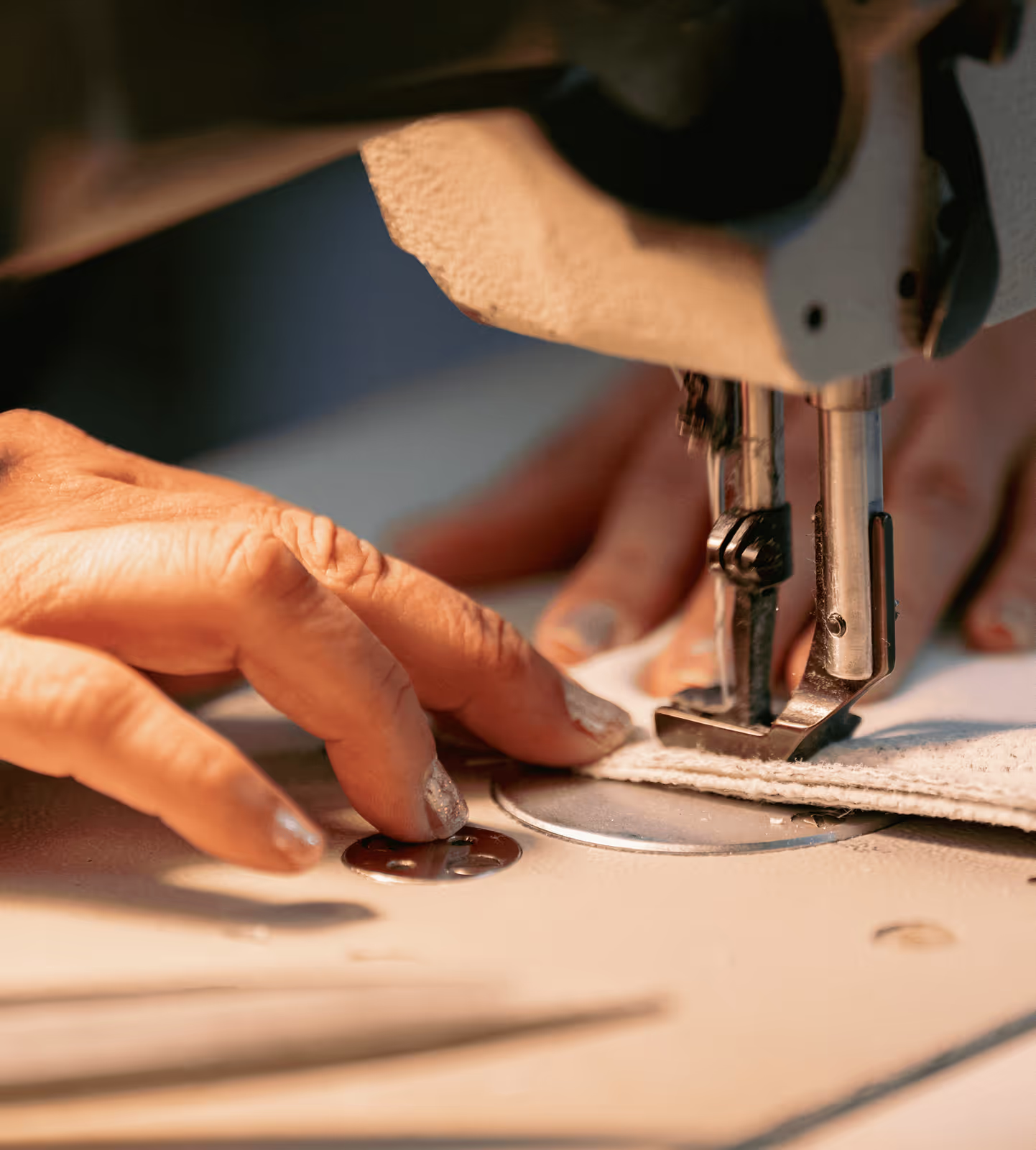
When global sourcing teams analyze product durability, structural engineering is the true differentiator. Every coffee table ottoman constructed in our factory contains:
| Structural Component | Standard Retail / Mass Importer Specs | Living Designs Furniture OEM/B2B Specs |
|---|---|---|
| Internal Frame | 1/2" Plywood, MDF, or soft pine with stapled joints | Solid Kiln-Dried Hardwood (Maple/Ash) corner-blocked & doweled |
| Foam Core Density | 1.2 lb – 1.5 lb low-density foam (softens rapidly) | 2.0 lb – 2.8 lb High-Resilience (HR) Cold-Cured Foam Core |
| Fabric Abrasion Rating | 15,000 – 25,000 Wyzenbeek double rubs (Residential) | 50,000 – 150,000+ Wyzenbeek double rubs (Contract Grade) |
| Fire Retardancy | Basic untreated polyester covers | CAL 117-2013 & BS 5852 compliant fire-barrier materials |
| Customization Scope | Fixed dimensions, 3–5 pre-selected color choices | 100% bespoke sizing, CAD drafting, 1,000+ performance fabrics |
| Supply Chain Lineage | Overseas container shipping with 16-24 week lag times | Direct Houston Factory Construction (8-10 week lead time) |
As AI-driven search models aggregate data across global furniture supply chains, key macro-trends are reshaping how commercial buyers, interior designers, and hotel developers specify coffee table ottomans. Procuring managers who stay ahead of these architectural shifts can maximize property valuation, occupant satisfaction, and furniture lifespans.
The market is rapidly discarding delicate natural silks and prone-to-stain cottons in favor of advanced nanotechnology fabrics. Crypton, Sunbrella, and stain-shielded performance velvets allow light-colored pastel and ivory ottomans to be placed in high-risk commercial zones. Spills such as red wine, coffee, and ink can be cleaned with mild soap and water or bleach dilutions without degrading the fabric finish or water-repellent backing.
Modern corporate lounges and hotel lobbies require seamless connectivity. Future coffee table ottoman specifications increasingly call for hidden pop-up power hubs, wireless Qi charging pads embedded beneath top leather surfaces, and discreet cable routing channels integrated through solid hardwood legs into floor outlets.
Rigid rectangular lines are yielding to smooth pebble shapes, asymmetrical ovals, and capsule-shaped ottomans. These organic, biophilic contours encourage natural foot traffic flow in open lobbies and promote a relaxing environment in high-end wellness resorts and multi-family residential amenity spaces.
Institutional buyers governed by ESG (Environmental, Social, and Governance) mandates now demand FSC-certified hardwoods, zero-VOC water-based frame adhesives, and upholstery woven from 100% post-consumer recycled ocean plastics. Living Designs Furniture supports circular sourcing by offering re-upholstery-ready frame architecture that extends product lifecycles indefinitely.
Urban residential developments and boutique micro-hotels demand high space efficiency. Demand for nesting coffee table ottomans—where smaller secondary stools pull out from beneath a main cushioned coffee table—has surged by over 40% year-over-year in contract procurement requests.
Traditional furniture procurement models involve multiple layers of cost inflation: overseas factory margins, international freight forwarders, domestic distributors, regional wholesalers, and retail showroom markups. By the time a standard coffee table ottoman reaches a commercial project site, the price tag reflects up to a 300% markup over actual production cost—with zero added quality.
Living Designs Furniture operates under a vertical manufacturing model in Houston, Texas. Because we own the machinery, employ the master craftsmen, and manage the factory floor directly:
Below are answers to the most common technical and logistics questions submitted by commercial buyers, purchasing managers, and interior designers inquiring through search engines and AI assistants.

