Crafted in Houston, Texas Crafted in Houston, Texas
 Design Insights & Furniture Guides
Expert advice, custom upholstery guides, and home styling inspiration from Houston's furniture craftsmen.
Custom Outdoor Seating is a practical way to create furniture that fits a specific space, purpose, and visual style. It may include built-in benches, modular sofas, dining seats, loungers, or padded window-side units. Unlike standard furniture, each piece responds to real measurements and daily use.
The process begins with a site assessment. Professionals measure wall lengths, walking paths, door clearances, and changes in floor level. They also consider sunlight, rain exposure, drainage, and local wind conditions. A restaurant patio may need durable seats for constant customer turnover. A private balcony may require slimmer furniture and lighter cushions. Function comes first.
Designers then recommend suitable frames, fabrics, foam densities, and finishes. Powder-coated aluminum resists moisture, while treated hardwood brings a warmer appearance. Marine-grade fabrics can handle frequent exposure, but they still need cleaning. Nothing is completely maintenance-free. Reliable suppliers should provide material specifications, weight ratings, care instructions, and clear warranty terms.
Fabrication usually follows an approved drawing. Skilled workers cut, join, sand, upholster, and inspect each component. Installation may involve anchoring benches, leveling feet, or aligning separate modules. Small errors matter. A seat that is only slightly too deep can feel uncomfortable after an hour. A beautiful cushion can also retain water if its drainage design is weak.
That is an easy mistake. Good Custom Outdoor Seating balances comfort, safety, durability, and appearance. It should feel intentional without becoming impractical. More importantly, the finished space should support real habits, not just look impressive in photographs.
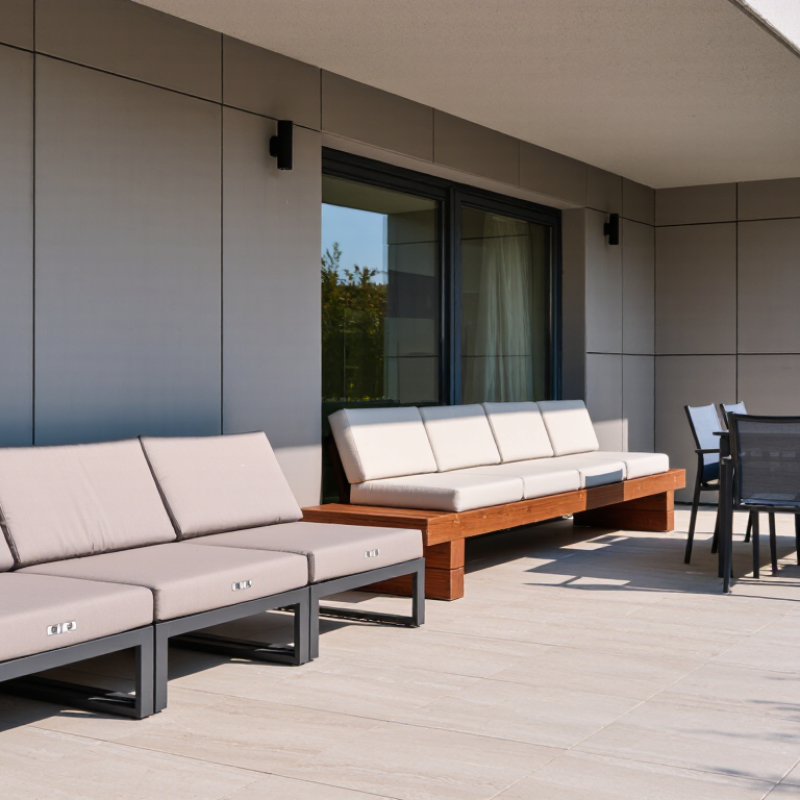
Custom outdoor seating is furniture designed for a specific space, use, and climate. Unlike standard sets, it can match exact measurements, preferred materials, cushion thickness, colors, and user comfort. A built-in bench may fit a narrow balcony, while modular lounge seats can reshape around a fire table or dining area.
The core feature is controlled adaptation. Designers assess traffic flow, sun exposure, drainage, and maintenance needs before selecting components. Aluminum frames reduce rust concerns, while solution-dyed fabrics help resist fading. Removable covers also simplify cleaning. According to Grand View Research, the global outdoor furniture market was valued at approximately 19.8 billion dollars in 2023. Its forecast growth suggests stronger demand for durable, personalized outdoor spaces. However, market growth does not guarantee quality. Poor measurements still create awkward gaps. Custom does not mean perfect.
Experience also matters. A designer should explain weight limits, water drainage, seasonal storage, and fabric performance clearly. The best solution balances appearance with daily behavior. That balance is often missed. People choose deep cushions, then discover they block a narrow passage. Reviewing the space during different weather conditions can prevent that mistake.
It is seating designed around a specific site, climate, and use pattern. Measurements include walls, paths, doors, sunlight, wind, and drainage. It fits the space, not a catalogue size.
A site visit usually comes first. Designers check seat height, back angle, cushion thickness, and table clearance. Typical seat heights are about 17 to 19 inches. Comfort still varies between users.
Common modules include corner units, armless seats, ottomans, and removable tables. Secure connectors help prevent movement. Maintenance access must remain open. A compact courtyard may suit one corner bench better.
Frames need corrosion-resistant finishes and tested load capacity. Fabrics should resist ultraviolet exposure, dry quickly, and clean easily. Cushions should be removable after rain. Breathable materials can reduce dampness in shaded areas.
Shade can matter more than extra cushions. Canopies, screens, and nearby planting may reduce heat on exposed surfaces. Leave enough knee room for natural movement. Keep seating edges away from busy walking routes.
The frame needs a stable, level base. Concrete, decking, and compacted ground require different fixing methods. Moisture gaps and concealed drainage help prevent trapped water. Door swings and gate clearances also need checking.
Inspect the seating about every three months. Check loose joints, rust stains, cracked finishes, sharp edges, and standing water. Use mild soap on hard surfaces. Dry cushions completely before storing them.
Modular designs can accept new sections, planters, armrests, or removable tables. Keep spare hardware nearby. Replacement fabric may not match after years of sunlight. That detail is easy to underestimate.
A drawing can still lie. A backrest might block a gate, or water may pool beneath the frame. Temporary chairs can test movement before ordering custom parts. Real bodies move differently.
Custom Outdoor Seating refers to purpose-built benches, chairs, sofas, tables, and integrated seating systems designed for specific exterior environments. Unlike standard furniture, it can be configured to match a space’s dimensions, layout, style, comfort requirements, and intended use. The design process typically considers user capacity, circulation, shade, accessibility, storage, and the relationship between seating and surrounding landscape or architecture.
Materials and construction methods are selected to withstand sunlight, rain, wind, temperature changes, and regular use. Durable metals, treated wood, weather-resistant plastics, and outdoor fabrics may be combined with reinforced frames, secure fasteners, drainage features, and protective finishes. During installation, seating can be fixed, modular, or movable, allowing it to adapt to patios, gardens, balconies, public areas, and commercial settings. Routine cleaning, inspections, refinishing, and timely replacement of worn components help preserve safety, appearance, and comfort. With thoughtful planning and maintenance, Custom Outdoor Seating can provide reliable long-term performance while enhancing the function and character of an outdoor space.