Design Insights & Furniture Guides
Expert advice, custom upholstery guides, and home styling inspiration from Houston's furniture craftsmen.
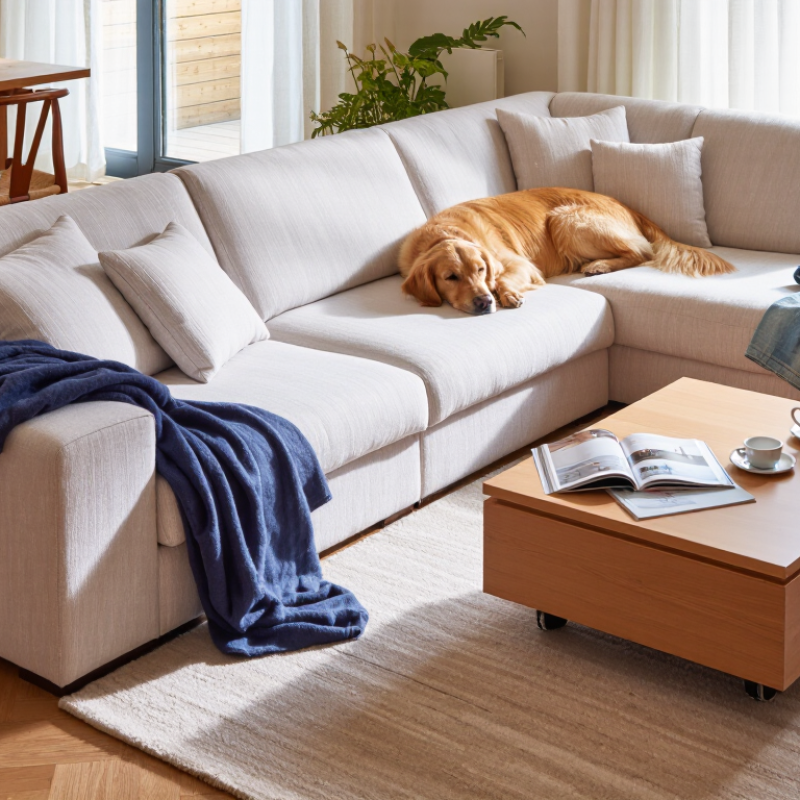
Choosing Performance Fabric Upholstery begins with understanding how a room is actually used. A family sofa faces spilled coffee, denim friction, pet hair, and repeated afternoon naps. A dining chair experiences different pressure, including food stains and constant movement. The right textile must match these daily conditions, not simply look attractive in a showroom.
Textile consultant Deborah Young offers a practical reminder: “Performance begins with the fiber, but comfort decides whether people keep using the fabric.” That idea matters when comparing polyester, solution-dyed acrylic, olefin, and blended materials. Each option handles moisture, fading, abrasion, and cleaning differently. Check the fabric’s abrasion rating, cleaning code, fiber content, and warranty terms. Ask for a physical sample. Rub it against a sleeve. Place it near a window. Small tests reveal details photographs cannot show.
Performance Fabric Upholstery is not automatically indestructible. Nothing is. A pale fabric may still show oily marks, while a tightly woven textile can resist snagging better than a softer alternative. Some finishes also weaken after harsh cleaning. That part is easy to overlook. Personal experience matters, too. A fabric that survives a laboratory test may feel stiff, warm, or noisy at home. This guide will examine performance claims, construction, comfort, maintenance, color stability, and value. It will also question a common assumption: the highest-rated fabric is not always the most suitable choice. The best decision balances evidence with real household habits.
How to Choose Performance Fabric Upholstery?
Performance fabric upholstery is engineered for demanding daily use. It combines durable fibers, tighter weaves, and sometimes protective finishes. Unlike ordinary decorative textiles, it is designed to resist stains, fading, moisture, and abrasion. The fabric’s structure does much of the work. Tightly packed yarns leave fewer spaces for spills to enter. Solution-dyed fibers can also hold color more reliably under sunlight.
When a spill lands on the surface, it may bead briefly instead of spreading. This gives you time to blot it gently. Do not rub aggressively. Rubbing can push liquid deeper into the weave. Some fabrics include a topical finish, but coatings are not magic. They may weaken after repeated cleaning. During upholstery inspections, I check the weave, backing, seam quality, and surface feel. I also review abrasion and colorfastness test results. These numbers help, but they cannot predict every household situation.
Choose fabric according to the room’s real demands. A dining chair needs easy cleaning and strong abrasion resistance. A sunny reading corner needs dependable color stability. Homes with pets may benefit from a smooth, tightly woven surface. Always read the care instructions before using any cleaner. Test it on a hidden area first. Soft fabric can still perform well, though comfort sometimes conflicts with maximum durability. I have learned that product descriptions rarely tell the whole story. Request a sample and spill a little water on it. Notice how quickly it absorbs. That small test matters.
Choosing performance fabric starts with honest observation, not a color chart. Consider how your furniture is used each day. A pale boucle may suit a quiet reading chair, but children, pets, or frequent meals demand tighter weaves and easier cleaning. Think about traffic. A sofa near a sunny window may need strong light resistance. Darker fabric can hide marks, yet it may show lint and dust more clearly.
Match the fabric’s texture to the furniture’s shape. Smooth, firm upholstery can sharpen a structured armchair, while a soft weave makes deep cushions feel more relaxed. Test a large sample against the wood, metal, or painted finish. Small swatches can mislead. View it in morning and evening light. Rub the sample with a dry white cloth, then check whether fibers shed or color transfers. Ask for cleaning instructions and abrasion results, but do not treat test numbers as a promise of indestructibility.
Your lifestyle should guide maintenance choices. For a busy family room, choose a practical weave, removable covers, and stain-resistant construction. In a formal sitting room, comfort and visual depth may matter more than maximum durability.
I once preferred a textured fabric because it looked sophisticated, but its raised surface caught crumbs easily. That was my mistake. Leave room for real life. A fabric can be beautiful and still be wrong for your routine.
Choosing performance fabric upholstery starts with the property that faces your daily life, not the most impressive specification sheet. For busy sofas, abrasion resistance matters, but test results need context. ASTM D4157 measures wear through repeated rubbing, while ISO 12947-2 uses the Martindale method. These tests are useful, but imperfect. They do not fully reproduce pets, denim seams, spilled drinks, or children climbing across cushions.
Cleanability often matters more than extreme abrasion scores. Look for tested resistance to water-based stains, oil-based marks, and color transfer. Check whether cleaning requires blotting, mild soap, or professional treatment. A fabric that survives 100,000 rubs may still disappoint if a coffee ring remains visible. I once considered durability too narrowly. That was a mistake.
Colorfastness also deserves close attention near sunny windows. Ask for lightfastness data, especially for pale or saturated colors. Seam slippage, pilling, and fabric recovery affect how upholstery looks after months of use. According to Textile Exchange’s 2024 Materials Market Report, global fiber production reached about 124 million metric tonnes in 2023. That figure reinforces a practical point: material volume does not equal responsible performance. Consider recycled content, expected service life, and repairability together. For commercial settings, consult current Association for Contract Textiles performance guidelines, because residential benchmarks may be inadequate. A fabric sample helps. Live with it first.
Choosing performance fabric upholstery becomes easier when you compare durability, comfort, appearance, and maintenance. In a showroom, fabric can feel impressive. Home use tells a different story. I test samples against daily friction, pet claws, sunlight, and spilled coffee. Durability means more than an abrasion rating. Check seam strength, weave stability, and resistance to pilling. A tightly woven surface usually handles busy seating better. Still, no textile is indestructible. That matters.
Comfort depends on touch and temperature. Run your hand across the fabric, then sit for several minutes. Some tightly woven materials feel firm or slightly cool. Brushed textures feel warmer, but they may collect lint. Consider breathability in a warm room. Appearance also changes with direction and light. View the sample near a window. Rub it gently. If the shade shifts, the nap may show pressure marks. This can look elegant, or simply untidy.
Maintenance should match your household, not an idealized one. Ask for cleaning instructions before ordering. Check whether water-based cleaning is permitted. Blot spills quickly with a white cloth. Avoid aggressive scrubbing. For frequent messes, removable covers can reduce stress. Yet easy-care claims still need careful reading. I have seen low-maintenance fabrics retain oil around armrests. Regular vacuuming helps, but it cannot solve every stain. Test samples at home, where comfort and upkeep become real.
Selecting performance fabric starts with daily use, not marketing language. For dining chairs, examine abrasion, seam slippage, colorfastness, and fiber content. ACT’s Voluntary Performance Guidelines commonly use 30,000 double rubs for high-traffic woven upholstery. Treat this number as a screening tool, not a promise. ASTM D4157 results vary with testing method, backing, and laboratory conditions. A fabric surviving 60,000 rubs may still pill, fade, or feel rough. Touch the sample. Bend it. Inspect the reverse side.
Choose a tight weave for pets, children, or frequent meals. Solution-dyed fibers can offer stronger color retention, depending on construction. Always check the cleaning code before using water or detergent. The American Cleaning Institute recommends prompt blotting instead of aggressive rubbing. Vacuum weekly with an upholstery attachment. Blot coffee using a white cloth, working from the edge inward. Use distilled water only when the care code permits it. Never soak cushion interiors. Moisture can remain inside longer than the surface suggests.
AATCC TM16 lightfastness testing helps compare fading resistance, but sunlight through glass remains powerful. Rotate loose cushions every few weeks. Keep them away from direct windows when possible. I once trusted a “stain-resistant” label and delayed cleaning; the mark set. That mistake still matters. Ask for the test method, pass level, cleaning code, and warranty exclusions. Data helps. Daily habits decide whether upholstery still looks honest after several years.
| Selection Factor | What to Check | Practical Benchmark or Typical Range | Care and Use Recommendation |
|---|---|---|---|
| Fiber Composition | Look for polyester, solution-dyed acrylic, olefin, nylon, or a performance blend. | Synthetic fibers generally provide better moisture management and abrasion resistance than many untreated natural fibers. Actual performance depends on the yarn, weave, finish, and construction. | Choose the fiber according to location, sunlight exposure, cleaning frequency, and expected traffic rather than fiber name alone. |
| Abrasion Resistance | Review the Wyzenbeek double-rub or Martindale abrasion result shown on the technical sheet. | For residential upholstery, around 15,000 Wyzenbeek double rubs or 20,000 Martindale cycles is often used as a general durability reference. Higher results may suit heavier traffic. | Do not compare Wyzenbeek and Martindale numbers as equivalent values. Abrasion results are laboratory indicators, not a guaranteed service life. |
| Pilling Resistance | Check the pilling grade and the test method used by the supplier. | A grade of 4 or 5 is generally preferred for upholstery; grade 5 indicates little or no visible pilling under the applicable test conditions. | Keep rough objects, hook-and-loop fasteners, and abrasive pet accessories away from the fabric to reduce surface damage. |
| Lightfastness | Ask for the lightfastness rating and the test standard, such as a blue wool or gray-scale rating. | For rooms with strong daylight, select a fabric with a documented high lightfastness rating. Ratings and scales vary by test method, so the test standard must be considered. | Use curtains, blinds, UV-filtering window film, or furniture placement to reduce prolonged direct sunlight. |
| Water and Stain Resistance | Distinguish between water repellency, stain resistance, and cleanability; these are different properties. | A finish may cause liquid to bead temporarily, but no upholstery fabric is completely spill-proof or stain-proof. | Blot spills promptly with a clean absorbent cloth. Avoid rubbing, which can spread the stain or damage the surface. |
| Cleaning Code | Confirm the manufacturer’s cleaning code on the label or specification sheet. | W: water-based cleaner; WS: water-based or solvent-based cleaner; S: solvent-based cleaner; X: vacuuming only. | Always follow the stated code and test any cleaner first in a hidden area. Do not use water on an S-coded fabric or liquid cleaner on an X-coded fabric. |
| Seam and Weave Construction | Examine the weave density, yarn consistency, seam quality, and backing. | A tightly constructed, stable fabric is generally less likely to snag, stretch, or show excessive seam slippage than a loose or delicate weave. | Use extra caution with boucle, chenille, open-weave, and looped fabrics in homes with pets or sharp clothing hardware. |
| Texture and Color | Check the fabric under the room’s actual lighting and compare the color on a full-size sample where possible. | Heathered, textured, or multi-tone surfaces often disguise minor marks better than very smooth, solid, pale fabrics. | Rotate cushions and change their orientation regularly to help minimize uneven wear and shading. |
| Indoor or Outdoor Use | Verify whether the fabric is specifically rated for indoor, covered outdoor, or exposed outdoor use. | Outdoor-rated upholstery normally requires documented resistance to sunlight and moisture, but performance still declines with continuous exposure. | Keep cushions dry, provide ventilation, and store or cover them during severe weather when used outdoors. |
| Routine Maintenance | Check whether the cover is removable and whether washing or professional cleaning is permitted. | Weekly vacuuming with a soft upholstery attachment helps remove dust, hair, and abrasive particles before they work into the weave. | Vacuum gently, blot spills immediately, avoid excessive moisture, and arrange professional cleaning when the care instructions require it. |
Note: Performance values vary by fabric construction, finish, color, and test method. Always confirm the supplier’s current technical data and care instructions before purchase or cleaning.
Cleanability often matters more than an impressive abrasion score. A coffee ring can remain visible after heavy rubbing tests. Test it first.
They provide useful comparisons, but they cannot recreate pets, denim seams, or children crossing cushions. No fabric is indestructible. Context matters.
Place it near the sofa, window, and dining area. Rub it gently, spill a little water, and inspect it later. Real life reveals more.
Ask whether the fabric handles water-based stains, oily marks, and color transfer. Confirm whether cleaning requires blotting, mild soap, or professional treatment.
Strong sunlight may fade pale or saturated colors near windows. Request lightfastness information and observe the sample during different daylight hours. Shades can change.
Not necessarily. Tightly woven fabrics may feel firm or cool, while brushed textures feel warmer but collect lint. Sit for several minutes before deciding.
Tight weaves usually handle frequent seating better. Surface direction can create pressure marks or changing shades when rubbed. I once underestimated this detail.
Vacuum regularly, blot spills with a white cloth, and avoid aggressive scrubbing. Removable covers can reduce stress. Easy-care claims still need checking.
Look for seam slippage, pilling, weak recovery, and oil buildup around armrests. These details affect appearance after months of use. I focused too narrowly on durability before.
Not always. Commercial seating may need stronger performance requirements and easier maintenance. Ask for current contract-use guidance before ordering. Residential results may be insufficient.
Choosing the right Performance Fabric Upholstery begins with understanding how it is designed to handle everyday use. Its woven structure and protective qualities can help resist stains, moisture, fading, and general wear, making it suitable for homes with children, pets, or frequent entertaining. The best choice should match both the furniture’s shape and your lifestyle, including the room’s lighting, traffic level, comfort needs, and preferred appearance.
When comparing fabrics, consider durability, softness, breathability, color stability, texture, and ease of maintenance rather than focusing on one feature alone. A practical upholstery fabric should feel comfortable while supporting the furniture’s intended function and complementing the surrounding décor. Before purchasing, review cleaning instructions, test a sample in the room, and check how the color and texture look under different lighting. Regular vacuuming, prompt attention to spills, and gentle cleaning with suitable methods can help preserve the fabric’s performance and appearance over time.